Table of Contents
Every person experiences despair in a different way. Your experience of pain and just how you cope with it will depend on various factors. These might include your age, previous experiences with sorrow and your spiritual or spiritual views.
Anticipatory grief suggests sensation sad before the loss takes place. Instead of regreting for the individual, who is still with you, you may really feel pain for the things you will not reach do together in the future. When facing a considerable loss, such as the death of an enjoyed one, it is all-natural to feel several strong emotions.
Individuals detected with an incurable disease and those facing the fatality of a loved one might experience anticipatory despair., you may experience numerous feelings consisting of shock, fear and sadness.
Transforming Professional Trauma Through EMDR in Los Angeles
You grieve lost possibilities or experiences you'll miss also tiny ones, such as the pleasure of the sunshine or a warm mug of coffee. If someone you enjoy is dealing with an incurable ailment, it is typical to experience anticipatory grief in the months, weeks and days prior to fatality. You could regret the exact same things your enjoyed one is grieving, or various losses altogether.
You might feel awaiting sorrow If your enjoyed one is perplexed or unconscious for a very long time (e.g. with ecstasy or dementia). You may feel that the individual you understood is currently gone, also if they are still physically there. If your loved one has a decline in physical health or movement, you could feel anticipatory pain as you lose the possibility to share experiences, such as pastimes, holidays or events.
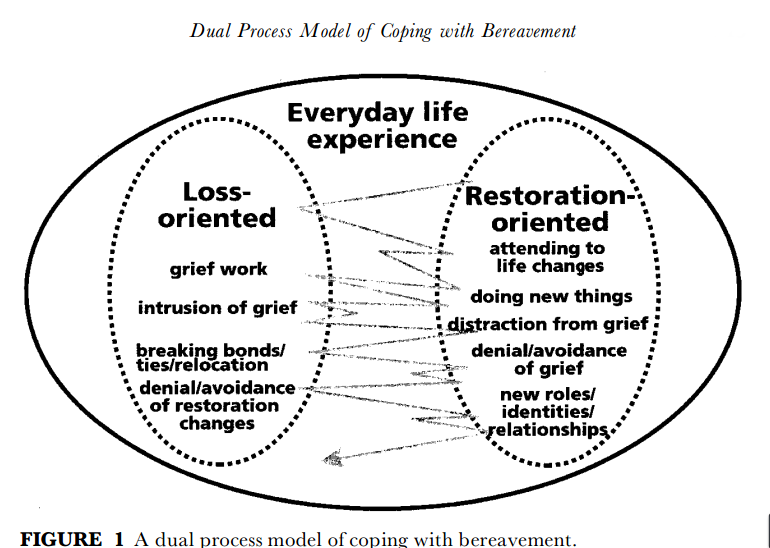
This is specifically real if you spend a great deal of time taking care of the person. You might miss activities you utilized to appreciate together and really feel grief concerning the modification in your partnership. The nature of your relationship might alter as you take on a carer's role, or become the one being taken care of.
Feelings of grief before death are normal it is essential to recognise them, and to speak about them. Experiencing anticipatory sorrow doesn't necessarily suggest that you will certainly regret your loved one any type of less after they are gone. Carers of individuals that are terminally ill might become more detailed to their enjoyed one, making their feelings of despair after death a lot more intense.
Important Considerations in a Therapist Who Specializes in Healthcare Workers
Lifeline provides support for individuals experiencing emotional distress. Past Blue provides information and support for individuals experiencing mental health troubles including pain. Griefline Call 1300 845 745 for support available to grownups aged 18 years and over. Mensline gives telephone and online therapy and assistance to men in Australia. Cancer cells Council gives information and assistance to individuals with cancer cells and their loved ones.

Go to the CareSearch internet site for links to palliative care and end-of-life details in a series of area languages. Call Carer Portal on 1800 422 737 for resources to support for Aboriginal and/or Torres Strait Islander carers and neighborhoods. CareSearch offers information on understanding grief, end of life and palliative care needs of the LGBTIQA+ neighborhood. Individuals discuss the 5 phases of sorrow as: denial temper negotiating clinical depression approval. In fact, we do not experience sensations of sorrow one by one or in a certain order. We understand that there are no arrange that everyone goes via. You may experience these points due to the fact that they are all normal feelings of pain.
Some people feel numb after the death of an individual they cared about. If you experience this, it could be due to the fact that it's just too hard to believe that the person you understand so well is not coming back.
The Recovery Path for High-Achieving Professionals in Therapy
Perhaps they promise themselves that they will currently always do (or not do) something, believing that it could make the person that has died come back. People might likewise find that they keep going back over the past and ask whole lots of 'what if' concerns, wanting that they could go back and change points so that they can have transformed out differently.
These sensations can be really intense and excruciating, and they may come and go over lots of months or years. Yet the majority of people discover that uncomfortable feelings similar to this become much less solid in time. If you do not feel this holds true for you, then you ought to request assistance.
Her version ended up being commonly accepted as a method to recognize sorrow, however over time, despair counsellors and scientists expanded upon it, causing the growth of the. This extended model includes extra emotional reactions that individuals may experience: The first reaction to loss typically brings shock and shock. This phase serves as a safety mechanism, permitting us to absorb the reality of our loss in manageable dosages.
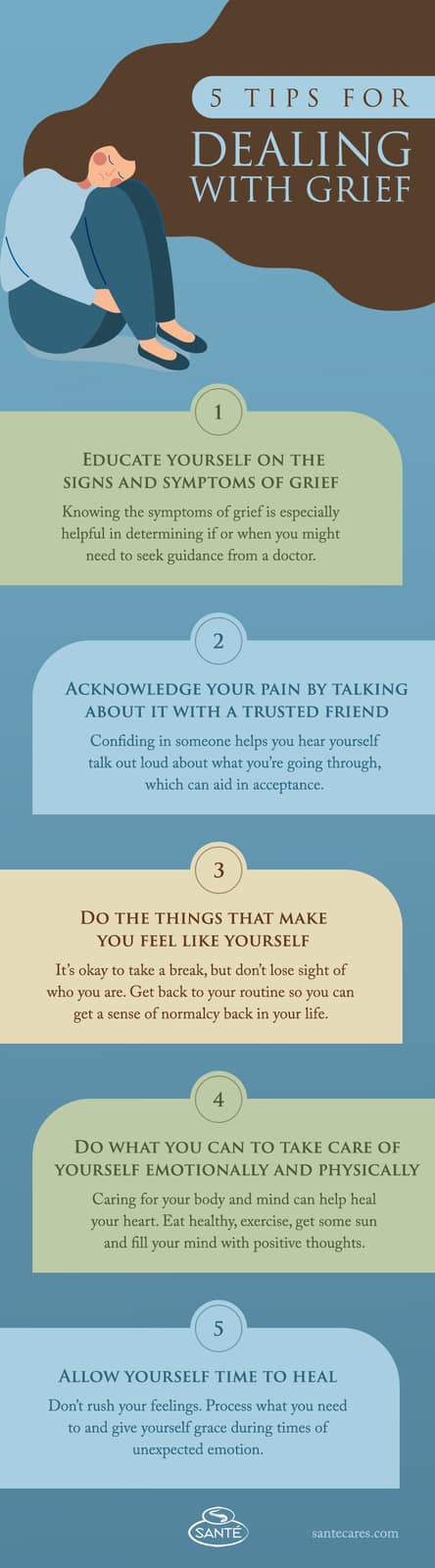
As the shock discolors, deep psychological discomfort collections in. Sensations of remorse or shame may arisewondering if you might have done something in a different way, or feeling sadness over things left unspoken. It's vital to recognize these sensations as opposed to reduce them. Despair can manifest as angertoward yourself, others, or also the individual who has actually passed.

Navigation
Latest Posts
Merging of Insight-Oriented Work and Neuroscience for Holistic Treatment
Advancing from Pain to Connection Via Professional Support
Locating the Right DBT Therapist for Your Wellbeing